


Table of Contents
- Key Points
- Seasonal Allergies Basics
- Dry Mouth: The Primary Culprit Behind Allergy-Related Dental Problems
- Sinus Pressure and Tooth Pain
- Mouth Breathing and Its Effects on Oral Health
- Post-Nasal Drip and Oral Acidity
- Protecting Your Smile This Spring
- When to Contact Your Dentist
- The Role of Preventive Dentistry
- A Final Word on Spring Smiles
- Frequently Asked Questions
- References
Key Points
- Seasonal allergies can quietly increase the risk of cavities, gum inflammation, and tooth sensitivity by reducing saliva flow and forcing chronic mouth breathing.
- Sinus pressure from spring allergens often mimics a severe toothache, leading patients to seek emergency dental care for what is actually a sinus-related issue.
- Simple habits like staying hydrated, chewing sugar-free gum, and scheduling a spring dental cleaning can protect oral health throughout allergy season.
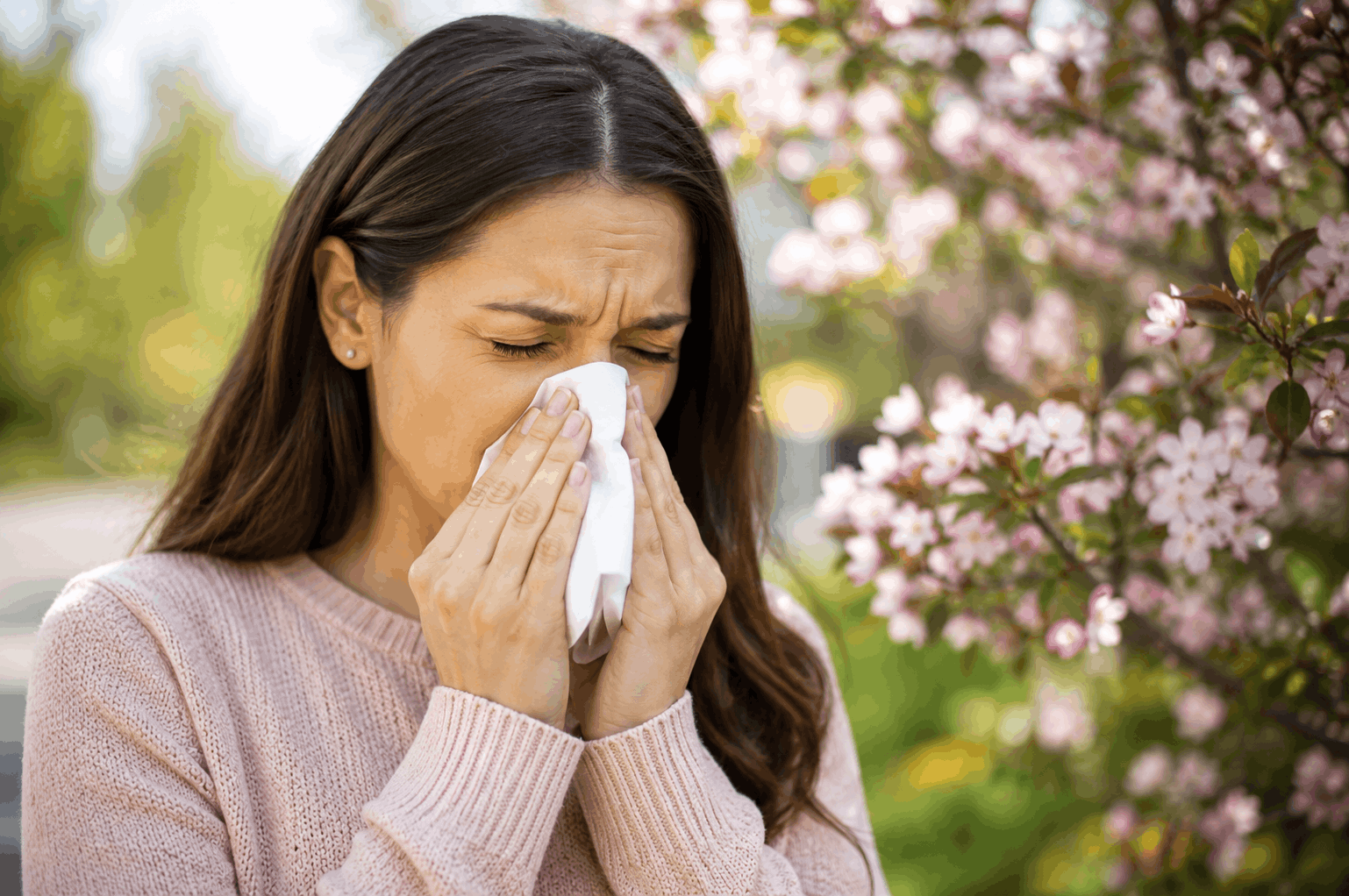
Spring brings blooming flowers, warmer temperatures, and for millions of Americans, a surge of seasonal allergies that can quietly compromise oral health. Symptoms like dry mouth, chronic mouth breathing, and sinus pressure can increase the risk of tooth decay, gum inflammation, and tooth pain that sometimes mimics a true dental emergency. Understanding the connection between allergies and dental health empowers patients to protect their smiles through simple preventive habits and regular visits with a qualified dentist.
Seasonal Allergies Basics
When pollen, mold spores, and other airborne allergens surge in the spring, the immune system responds by releasing histamines. These chemicals made by the immune system exist to help your body get rid of something that is bothering you, also known as an “allergen.”1 This dynamic drives the familiar symptoms associated with allergic reactions: sneezing, congestion, itchy eyes, and a runny nose.
According to the Centers for Disease Control and Prevention, roughly one in four adults in the United States experiences seasonal allergies each year.2 For patients in the Upstate region, spring allergies can be particularly pronounced, given the area’s mix of oak, pine, and grass pollen.
Dry Mouth: The Primary Culprit Behind Allergy-Related Dental Problems
The most significant oral health concern during allergy season is dry mouth, clinically known as “xerostomia.”3 Dry mouth occurs for two main reasons during the spring:
- Antihistamines and decongestants reduce mucus production throughout the body, including saliva output.
- Nasal congestion forces patients to breathe through the mouth, which rapidly evaporates moisture from oral tissues.
Saliva is far more than a simple lubricant. It performs several protective functions essential to oral health4:
- Neutralizes acids produced by plaque bacteria
- Delivers calcium and phosphate to remineralize tooth enamel
- Contains antimicrobial proteins that limit harmful bacterial growth
- Physically washes away food particles and debris
When saliva flow drops, these defenses weaken. Research published in the Journal of the American Dental Association has shown that patients with reduced salivary flow face a measurably higher risk of dental caries (cavities), gingivitis, and oral candidiasis.5 For patients already managing conditions like gum disease, allergy-induced dry mouth can accelerate problems that might otherwise remain stable.
Sinus Pressure and Tooth Pain
One of the more surprising effects of spring allergies is dental pain that is not truly dental in origin. The maxillary sinuses sit directly above the roots of the upper molars and premolars. When these sinuses become inflamed and filled with fluid, the pressure can radiate downward into the upper teeth, producing what feels like a severe toothache.6
Patients often describe the sensation as:
- A dull, throbbing ache in several upper teeth at once
- Pain that worsens when bending over or lying down
- Tenderness that shifts location or fades when congestion clears
Because the symptoms overlap so closely with a cracked tooth or infected pulp, many patients call an emergency dentist in Anderson, SC, during allergy season, only to learn that the source of their pain is sinus-related. A thorough clinical exam, sometimes supplemented by a dental X-ray, can distinguish between a sinus issue and a genuine dental emergency. If the exam rules out dental pathology, patients are typically referred back to their primary care provider or an ENT for sinus treatment.
Mouth Breathing and Its Effects on Oral Health
Nasal congestion often forces patients to breathe through their mouths for hours at a time, especially during sleep. Over days and weeks, this pattern can cause:
- Increased plaque accumulation along the gum line
- Higher rates of gingival inflammation and bleeding
- Chronic bad breath (halitosis) from bacterial overgrowth
- A greater likelihood of enamel erosion in patients who also experience acid reflux
Children are particularly vulnerable. Prolonged mouth breathing during developmental years has been linked to changes in facial growth patterns and malocclusion.7 Parents who notice a child mouth-breathing consistently during allergy season should mention the pattern to their dentist at the next visit.
Post-Nasal Drip and Oral Acidity
Post-nasal drip—the steady drainage of mucus from the sinuses into the throat—can also shift the chemistry of the mouth.8 Mucus and the frequent throat-clearing it causes may irritate soft tissues, while medications used to manage allergy symptoms sometimes contain sugar or acidic components that linger on tooth surfaces. Cough drops, syrups, and chewable allergy tablets taken throughout the day can quietly contribute to enamel wear if oral hygiene is not adjusted accordingly.
Protecting Your Smile This Spring
Patients do not have to choose between allergy relief and oral health. A few targeted habits can dramatically reduce the dental impact of seasonal allergies:
- Stay hydrated: Drinking water throughout the day supports saliva production and rinses away food debris and allergens.
- Chew sugar-free gum: Gum containing xylitol stimulates saliva flow and has been shown to reduce cavity-causing bacteria.
- Rinse after taking allergy medications: A quick water rinse helps clear residual sugars or acids from chewable tablets and liquids.
- Use a saline nasal spray: Clearing nasal passages can restore nasal breathing and reduce nighttime dry mouth.
- Run a humidifier at night: Added ambient moisture reduces tissue dryness for mouth breathers.
- Maintain thorough oral hygiene: Brush twice daily with fluoride toothpaste, floss once daily, and consider an alcohol-free mouthwash designed for dry mouth.
- Schedule a spring cleaning: A professional cleaning and exam during allergy season catches early decay and inflammation before symptoms intensify.
When to Contact Your Dentist
While most allergy-related oral symptoms resolve with medication and good hygiene, certain signs warrant professional evaluation:
- Tooth pain that persists for more than a few days after sinus symptoms improve
- Swelling in the face, jaw, or gums
- Severe sensitivity to hot, cold, or pressure
- Visible damage to a tooth or restoration
- Persistent bad breath or a bad taste that does not respond to hygiene efforts
Any of these symptoms, especially when accompanied by fever, may indicate a true dental infection rather than a sinus-related issue. In those cases, contacting an emergency dentist in Anderson, SC, promptly is essential. Timely intervention can prevent the spread of infection and preserve natural tooth structure.
The Role of Preventive Dentistry
Preventive care is the most effective defense against allergy-related dental problems. Semi-annual cleanings allow the dental team to identify early signs of enamel weakening, monitor gum health, and reinforce home care strategies tailored to each patient’s medical history and medications. Patients taking daily antihistamines or decongestants should let their provider know so the care plan can account for reduced salivary flow.
Any good dentist in Anderson, SC, or anywhere in the Upstate, will tell you that consistency of care matters more than any single product or technique. A dental team familiar with a patient’s history can spot subtle changes that a new provider might miss.
A Final Word on Spring Smiles
Seasonal allergies are an unavoidable part of life in the South, but their taking a toll on dental health is not. By recognizing how dry mouth, mouth breathing, and sinus pressure affect the teeth and gums, patients can take proactive steps to stay comfortable and cavity-free through pollen season.
Pairing smart self-care with regular visits to a trusted dentist in Greenville, SC, is the most important thing you can do to protect your oral health from the impacts of allergies. Reach out to us today to schedule a visit.
Frequently Asked Questions
Can seasonal allergies really cause cavities?
Allergies themselves do not cause cavities, but the dry mouth that results from antihistamines, decongestants, and chronic mouth breathing significantly raises cavity risk. With less saliva to neutralize acids and remineralize enamel, bacteria can more easily damage tooth structure. Staying hydrated, chewing sugar-free gum, and maintaining strong hygiene habits help offset that risk.
How do I know if my toothache is from allergies or a real dental problem?
Sinus-related tooth pain typically affects several upper teeth at once, worsens when bending over, and eases as congestion clears. True dental pain is usually localized to one tooth and may respond to temperature changes or pressure. When the source is unclear, a dental exam and X-ray can confirm whether the pain is dental or sinus-related, so patients receive appropriate treatment.
Should I see a dentist during allergy season even if my teeth feel fine?
Yes. Many allergy-related dental issues, including early decay and mild gum inflammation, develop without noticeable symptoms. A routine cleaning and exam during spring allows the dental team to monitor oral health, reinforce preventive habits, and address minor problems before they escalate.
References
- Paige Fowler, “What Are Histamines?” WebMD, August 2022, https://www.webmd.com/allergies/what-are-histamines.
- “Allergies, National Center for Health Statistics, U.S. Centers for Disease Control and Prevention, January 2026, https://www.cdc.gov/nchs/fastats/allergies.htm.
- “Dry Mouth (Xerostomia),” Cleveland Clinic, September 2023, https://my.clevelandclinic.org/health/diseases/10902-dry-mouth-xerostomia.
- Taissa Vila, Alexandra M. Rizk, Ahmed S. Sultan, and Mary Ann Jabra-Rizk, “The power of saliva: Antimicrobial and beyond,” PLoS Pathogens, November 2019. https://pmc.ncbi.nlm.nih.gov/articles/PMC6855406/.
- Joana Cunha-Cruz, JoAnna Scott, Marilynn Rothen, et al., “Salivary characteristics and dental caries: Evidence from general dental practices,” Journal of the American Dental Association, May 2024, https://pmc.ncbi.nlm.nih.gov/articles/PMC3874545/.
- “Sinus infections can be disguised as toothaches,” UCLA Health, July 2025, https://www.uclahealth.org/news/article/sinus-infections-can-be-disguised-toothaches.
- C. Grippaudo, E.G. Paolantonio, G. Antonini, et al., “Association between oral habits, mouth breathing and malocclusion,” ACTA Otorhinolaryngologica Italica, October 2016, https://pmc.ncbi.nlm.nih.gov/articles/PMC5225794/.
- Taek Yoon Cheong and Ick Soo Choi, “Clinical Aspects of Chronic Idiopathic Postnasal Drip: An Entity Not to Be Overlooked,” In Vivo, July 2024, https://pmc.ncbi.nlm.nih.gov/articles/PMC11215627/.

Dr. Greg Ayers has over 35 years of experience running his own dental practice. He is the Chairman and Clinical Director of ProGrin Dental and Cosmetics, which he and his son founded in 2012. Dr. Ayers is a graduate of the Medical University of South Carolina’s College of Dental Medicine, then furthered his dental education at the Pankey Institute for Advanced Dental Learning. Dr. Ayers is also a graduate of the acclaimed Nash Institute for Dental Learning, and he currently serves as a teaching mentor at the Institute, working with doctors and healthcare professionals from around the world. Dr. Ayers has also authored two books: “The Service Prescription – Healthcare the Way it Was Meant to Be,” and a motivational book entitled “SPARK, Igniting Your Dreams.”