


Table of Contents
- Key Points
- The Hidden Dangers of Teeth Grinding
- What Is a Night Guard?
- Benefits of Using a Night Guard
- Types of Night Guards: Finding the Best Option
- What to Expect When Getting a Custom Night Guard
- Caring for Your Night Guard
- When to See a Dentist About a Night Guard
- Making the Investment in Your Oral Health
- References
Key Points
- Teeth grinding is a problem that, left untreated, can cause serious issues over time, including those related to the jaw and teeth themselves.
- Fortunately, teeth grinding is easily treatable, usually through the use of a night guard.
- Understanding the dangers of teeth grinding, as well as the appropriate solutions, can motivate patients to seek treatment.
According to recent studies, approximately 30 percent of all people grind their teeth in some way, and between 10 to 15 percent of all adults suffer from chronic teeth grinding, also known as bruxism, while they sleep.1 It is also extremely common for people to be completely unaware that they are doing so, until they go for a dental checkup and realize that serious damage has occurred.
If you have been waking up with jaw pain, headaches, or unexplained tooth sensitivity, you might be one of the millions grinding or clenching your teeth at night. The good news? A properly fitted night guard can be a game-changer for your oral health and overall quality of life. The comprehensive guide will walk you through everything you need to know about these protective dental devices.
The Hidden Dangers of Teeth Grinding
As mentioned, many people do not realize they grind their teeth until a partner mentions the noise or a dentist identifies telltale signs during a routine examination. Left untreated, bruxism can lead to serious complications:
- Tooth damage: Worn enamel, chips, cracks, and even fractured teeth
- Jaw disorders: Temporomandibular joint (TMJ) dysfunction and chronic jaw pain2
- Headaches: Frequent tension headaches, especially upon waking
- Facial pain: Soreness in the jaw muscles and face
- Sleep disruption: For both you and your partner
- Tooth sensitivity: Increased sensitivity to hot and cold temperatures
What Is a Night Guard?
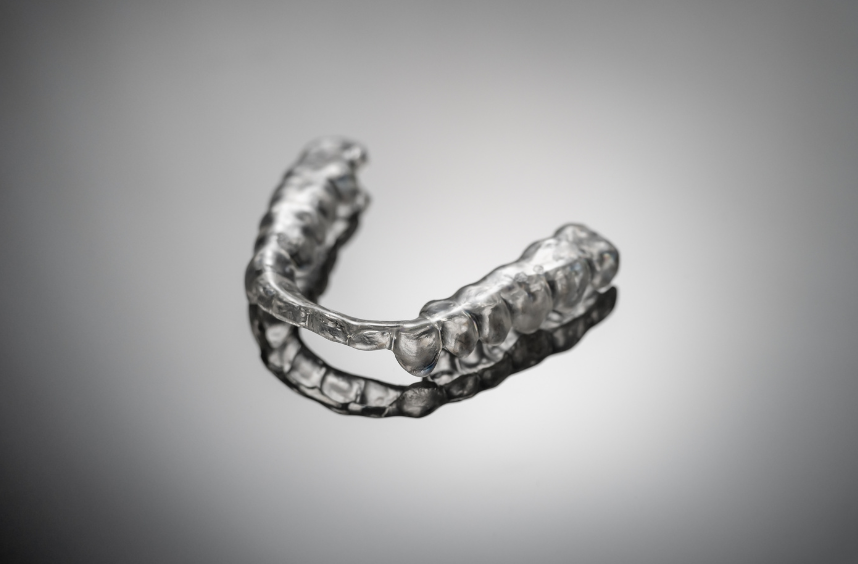
A night guard is a custom-fitted or over-the-counter dental appliance worn over your teeth while you sleep. It creates a protective barrier between your upper and lower teeth that absorbs the pressure from clenching and prevents teeth from grinding against each other. You may also hear these devices referred to as “occlusal guards,” “bite splints,” or “teeth night guards,” and they serve as your first line of defense against the damaging effects of nighttime teeth grinding and jaw clenching.
Benefits of Using a Night Guard
There are many advantages to using a night guard. Here are the main ones to consider.
Protection Against Tooth Damage
Your tooth enamel is remarkably strong, but it is not indestructible. The typical human bite generates about 162 pounds per square inch (psi), but force from teeth grinding can be much more.3 A night guard for teeth grinding creates a cushioning barrier that absorbs and distributes these forces, preventing:
- Enamel erosion that cannot be reversed
- Fractured or chipped teeth requiring expensive repairs
- Premature wear that can age your smile by decades
- Damage to dental work, like crowns, veneers, and fillings
Relief from TMJ Disorders
The temporomandibular joint connects your jawbone to your skull4, and it is one of the most complex joints in your body. When you grind or clench your teeth, you place enormous strain on this joint and the surrounding muscles. Night guards for grinding teeth help alleviate TMJ symptoms by:
- Repositioning the jaw into a more relaxed, natural position
- Reducing muscle tension and inflammation
- Preventing the jaw joint from bearing excessive pressure
- Allowing the TMJ to rest and heal during sleep
Many patients who visit our dentist offices in Greenville SC find significant relief within just a few weeks of consistently wearing a night guard.
Improved Sleep Quality
Teeth grinding does not just damage your teeth—it fragments your sleep. The muscle activity associated with bruxism can prevent you from reaching the deeper, more restorative stages of sleep. By wearing a night guard, you may experience:
- Fewer sleep disruptions throughout the night
- More restful, restorative sleep
- Reduced daytime fatigue and improved focus
- Better overall mood and mental clarity
Headache and Pain Reduction
If you frequently wake up with headaches, neck pain, or facial soreness, your nighttime grinding habit might be to blame. The constant muscle contraction creates tension that radiates throughout your head and neck. A properly fitted night guard appliance can dramatically reduce:
- Morning headaches and migraines
- Neck and shoulder tension
- Facial muscle soreness
- Earaches caused by TMJ dysfunction
Cost-Effective Prevention
While investing in a quality night guard requires an upfront cost, it is significantly less expensive than treating the consequences of untreated bruxism. Consider that a single crown can cost $1,200 to $2,000, and root canals, bridges, or implants can run even higher. A custom night guard from your Greenville dentist typically costs between $550 and $700, and many insurance plans cover a majority of the expense—a small price compared to potential dental repairs.
Types of Night Guards: Finding the Best Option
Not all night guards are the same. Understanding your options will help you choose the best night guard for grinding teeth based on your specific needs and budget.
Stock Night Guards
These are pre-formed, ready-to-wear guards available at pharmacies and online retailers.
- Pros: Inexpensive ($15 to $30), immediately available, no fitting required
- Cons: Poor fit, uncomfortable, may not stay in place, limited protection, can affect breathing
Boil-and-Bite Night Guards
These thermoplastic guards soften in hot water and mold to your teeth.
- Pros: Better fit than stock guards, affordable ($25 to $75), widely available
- Cons: Uncomfortable, durability issues, can be bulky, limited customization
Custom-Fitted Night Guards from Your Dentist
Made from impressions of your teeth by a night guard dentist, these offer the highest quality:
- Pros: Perfect fit, maximum comfort, superior protection, various thickness options, most durable, customized for your bite
- Cons: Higher initial cost ($550to $700), requires dental visit
For those with severe bruxism or TMJ disorders, a custom guard from a dental professional is almost always the best investment. This option is not only more effective, but a better fit and comfort can make patients much more likely to wear it regularly, yielding better results.
What to Expect When Getting a Custom Night Guard
The process of obtaining a custom night guard from your dentist is fairly straightforward.
- Initial consultation: Your dentist examines your teeth, jaw, and bite to assess the severity of grinding and determine if a night guard is appropriate.
- Impressions: The dentist takes detailed molds of your upper and lower teeth.
- Fabrication: A dental laboratory creates your custom guard, typically within 1 to 2 weeks
- Fitting appointment: Your dentist ensures the guard fits properly and makes any necessary adjustments
- Follow-up: Periodic check-ins ensure the guard remains effective and fits well as your mouth changes.
Caring for Your Night Guard
To maximize the lifespan and effectiveness of your teeth night guards, follow these care tips:
- Rinse with cool water immediately after each use.
- Brush gently with a soft toothbrush and mild soap or denture cleaner (do not use toothpaste, as it is too abrasive).
- Store in a ventilated case to prevent bacterial growth.
- Keep away from heat sources that could warp the material.
- Bring it to dental appointments for professional cleaning and inspection.
- Replace when it shows signs of wear, typically every 1 to 5 years, depending on grinding severity.
When to See a Dentist About a Night Guard
You should consider scheduling an appointment with a reputable Greenville dental practice if you experience:
- Visible wear patterns on your teeth
- Increased tooth sensitivity
- Jaw pain, clicking, or locking
- Frequent morning headaches
- Disrupted sleep patterns
- A partner who reports hearing you grind your teeth
- Unexplained damage to dental work
In cases of severe tooth pain or a broken tooth from grinding, do not hesitate to contact the best emergency dentist Greenville SC has to offer for immediate care.
Making the Investment in Your Oral Health
Teeth grinding and TMJ disorders will not resolve on their own—in fact, they typically worsen over time without intervention. A night guard represents a proactive approach to protecting your oral health, preventing pain, and avoiding costly dental procedures down the road. These devices offer comprehensive relief from the painful symptoms of bruxism and TMJ disorders, improve sleep quality, prevent expensive dental damage, and enhance overall quality of life.
If you suspect you might benefit from a night guard, reaching out to experienced dentist offices in Greenville SC is an excellent first step. A thorough evaluation will determine whether a night guard is right for you and ensure you receive a properly fitted device that addresses your specific needs.
Do not wait until significant damage has occurred. Give us a call today to discuss whether a night guard could be the solution that is right for you.
References
- Janet A. Aker, Teeth Grinding: You Won’t Believe How Harmful it Really Is,” U.S. Military Health System, February 2022, https://health.mil/News/Articles/2022/02/28/Teeth-Grinding-You-Wont-Believe-How-Harmful-it-Really-Is.
- Brigitte Ohlmann, Moritz Waldecker, Michael Leckel, et al., “Correlations between Sleep Bruxism and Temporomandibular Disorders,” Journal of Clinical Medicine, February 2020, https://pmc.ncbi.nlm.nih.gov/articles/PMC7074179/.
- “Human Bites,” The Cleveland Clinic, March 2023, https://my.clevelandclinic.org/health/diseases/15745-human-bites.
- “TMJ Anatomy,” Physiopedia, retrieved on November 14, 2025, from: https://www.physio-pedia.com/TMJ_Anatomy.

Dr. Greg Ayers has over 35 years of experience running his own dental practice. He is the Chairman and Clinical Director of ProGrin Dental and Cosmetics, which he and his son founded in 2012. Dr. Ayers is a graduate of the Medical University of South Carolina’s College of Dental Medicine, then furthered his dental education at the Pankey Institute for Advanced Dental Learning. Dr. Ayers is also a graduate of the acclaimed Nash Institute for Dental Learning, and he currently serves as a teaching mentor at the Institute, working with doctors and healthcare professionals from around the world. Dr. Ayers has also authored two books: “The Service Prescription – Healthcare the Way it Was Meant to Be,” and a motivational book entitled “SPARK, Igniting Your Dreams.”