


Table of Contents
- Key Points
- What Is Full-Mouth Dental Restoration?
- Candidates for Complete Mouth Restoration
- The Full-Mouth Rehabilitation Process
- Benefits of Full-Mouth Dental Restoration
- Finding the Right Dentist in Greenville, SC
- How Much Does Full-Mouth Reconstruction Cost?
- Maintaining Your Restored Smile
- Take the First Step Toward Full-Mouth Dental Restoration
- References
Key Points
- Full-mouth dental restoration is a comprehensive treatment that rebuilds or replaces most or all teeth in both jaws, combining multiple procedures like dental implants, crowns, bridges, and periodontal therapy to address extensive tooth damage, missing teeth, functional problems, and aesthetic concerns.
- Benefits extend far beyond aesthetics, including restored chewing ability and speech clarity, elimination of infection sources, improved nutrition and oral hygiene, reduced jaw pain through proper bite alignment, and long-term durability.
- Understanding the basics of the treatment processes and how to find the right dental team is the most important thing patients can do to determine if full-mouth restoration is right for them.
Despite the steady decrease in the prevalence of tooth loss among Americans since the early 1970s, the problem persists. A large percentage have lost at least one permanent tooth, and by age 50, Americans have lost an average of 12 teeth. Among adults 65 to 74 years of age, a whopping 26 percent have eight or fewer teeth, according to the Centers for Disease Control and Prevention.1
For individuals who have experienced tooth loss, many different restorative options are available. These include everything from single-tooth implants and bridges to partial dentures and implant-supported bridges. For people with extensive tooth loss, or where multiple teeth are damaged or compromised, a more comprehensive solution may be warranted. This is where full-mouth dental restoration comes in.
Full-mouth dental restoration, also known as full-mouth reconstruction, represents one of the most transformative treatments available in modern dentistry. This approach addresses multiple dental issues simultaneously, providing patients with a complete oral health makeover that can dramatically improve both function and aesthetics.
We have put together a guide on full-mouth dental reconstruction, including explanations of who is a candidate, details about the process (from assessment to treatment and recovery), and common questions about the procedure, like why it is often a good alternative to dentures. The information below will tell you everything you need to know about complete-mouth restoration, so you can determine if it is right for you.
What Is Full-Mouth Dental Restoration?
Full-mouth reconstruction is an extensive dental treatment that involves rebuilding or replacing most or all of the teeth in both the upper and lower jaws.2 This comprehensive approach goes beyond simple cosmetic improvements—it is about restoring proper function, bite alignment, and overall oral health.
A whole mouth reconstruction typically combines multiple dental procedures and treatments. These may include: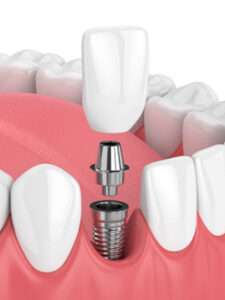
- Dental implants: Replace missing teeth with permanent, natural-looking solutions
- Dental crowns and bridges: Restore damaged or weakened teeth
- Porcelain veneers: For cosmetic enhancement of visible teeth
- Periodontal therapy: Treats gum disease and establishes healthy foundations3
- Orthodontic treatment: Corrects bite alignment and tooth positioning
- Bone grafting: Restores adequate bone structure for implant placement
- TMJ therapy: Addresses jaw joint disorders
In most cases, dental restoration refers to the combination of implants and some type of prosthetic (artificial teeth). After the placement of implants into the jawbone, an abutment connects the artificial teeth.
Candidates for Complete Mouth Restoration
Complete mouth restoration is not just for patients with severe dental trauma. Many individuals can benefit from this comprehensive approach when they experience the following conditions.
Extensive Tooth Damage
- Multiple cavities affecting many teeth
- Severe tooth wear from grinding or acid erosion
- Fractured or broken teeth from injury or decay
- Failed previous dental work requiring replacement
Missing Teeth
- Loss of multiple teeth due to decay, gum disease, or trauma
- Congenital absence of permanent teeth4
- Need for full or partial denture replacement with more permanent solutions
Functional Issues
- Difficulty chewing or speaking properly
- Chronic jaw pain or TMJ disorders
- Bite misalignment causing uneven tooth wear
- Facial support loss due to missing teeth
Aesthetic Concerns
- Severely discolored or stained teeth that do not respond to whitening
- Gaps, chips, or irregularities affecting the appearance of the smile
- Aged or worn appearance of existing dental work
The Full-Mouth Rehabilitation Process
Full-mouth rehab is a carefully planned, multi-phase process that requires expertise, precision, and patience. Here is what you can expect during your dental rehab journey.
Initial Consultation and Assessment
The process begins with a comprehensive evaluation that includes:
- Digital imaging and X-rays: Assess bone structure and tooth condition.
- Bite analysis: Helps determine proper jaw alignment and function.
- Periodontal examination: Evaluates the candidate’s overall gum health.
- Medical history review: Identifies any conditions that could potentially impact the treatment.
- Discussion of goals and expectations: Every patient is unique; an experienced dentist will be able to predict the end results of the restoration.
Treatment Planning
Based on your assessment, your dental team will develop a customized treatment plan that:
- Prioritizes treatments: Based on urgency and optimal sequencing.
- Coordinates multiple specialties: If needed, this includes coordination with a periodontist, oral surgeon, orthodontist, or other healthcare professionals.
- Establishes timelines: Includes a breakdown of the duration of each phase of treatment.
- Provides cost estimates: Before proceeding, the dentist will discuss with you out-of-pocket expenses, financing options, and other issues.
- Sets realistic expectations for outcomes and recovery.
Treatment Phases
Full-mouth restorations typically occur in carefully planned phases:
Phase 1: Foundation Work
- Treatment of gum disease or infection
- Tooth extractions (if necessary)
- Bone grafting procedures
- Initial healing period
Phase 2: Structural Restoration
- Implant placement for missing teeth
- Root canal therapy (if needed)
- Preparation of teeth for crowns or bridges
- Temporary restorations for function and aesthetics
Phase 3: Final Restoration
- Placement of permanent crowns, bridges, or implant-supported prosthetics
- Final bite adjustments and refinements
- Cosmetic enhancements like veneers (if desired)
Phase 4: Maintenance and Follow-up
- Regular check-ups to monitor healing and function
- Professional cleanings and maintenance
- Long-term care instructions
Benefits of Full-Mouth Dental Restoration
Choosing complete mouth restoration offers numerous advantages that extend far beyond improved appearance:
Functional Improvements
- Restored chewing ability: Allows you to enjoy all your favorite foods again.
- Improved speech clarity: Eliminates mumbling or difficulty pronouncing words.
- Better digestion: Results from proper food breakdown.
- Reduced jaw pain: Stems from correct bite alignment.
Health Benefits
- Elimination of infection sources: From damaged or decayed teeth.
- Improved nutrition: Related to the ability to eat a varied, healthy diet.
- Better oral hygiene. Cleaning is easier and more thorough with properly aligned, restorable teeth.
- Reduced risk of further dental problems
Aesthetic Advantages
- Natural-looking results: These can complement your facial features.
- Younger-looking appearance. Restored facial supports can produce a more youthful appearance.
- Confident smile: Restoration results in a smile that you will want to show off.
- Harmonious proportions: Restoration eliminates an unevenness in the teeth, gums, and face.
Long-term Value
- Durable results: These can last decades with proper care.
- Comprehensive solution. Restoration is a one-stop shop that addresses multiple issues simultaneously.
- Reduced future dental costs: It is also a preventative way to eliminate the threat of additional problems.
- Improved quality of life: Restorations can elevate social and professional comfort and relationality.
Finding the Right Dentist in Greenville, SC
When considering full-mouth reconstruction, choosing the right dental professional is crucial for achieving optimal results. If you are searching for a qualified dentist in Greenville, SC, or another location in the Upstate, look for a practice that offers:
Comprehensive Expertise
- Advanced training in restorative and cosmetic dentistry
- Experience with complex cases and multiple dental specialties
- Access to modern technology for precise diagnosis, skilled treatment, and quick recovery
- Collaborative approach with specialists when needed
Quality Assurance
- Board certifications and continuing education commitments
- Before-and-after case studies that demonstrate successful outcomes
- Patient testimonials and referrals from satisfied clients
- Transparent communication about procedures and costs
How Much Does Full-Mouth Reconstruction Cost?
While full-mouth dental restoration represents a significant investment, it is important to consider the long-term value. The total price varies widely based on individual needs, required materials, and complexity of treatment. However, many patients find that the improved quality of life, confidence, and oral health make the investment worthwhile.
Many reputable dental practices offer various financing options to make treatment more accessible:
- Dental savings plans that spread costs over time
- Dental insurance coordination to maximize benefits
- Third-party financing through specialized healthcare lenders
- Flexible scheduling to accommodate your budget and timeline
Maintaining Your Restored Smile
Success with full-mouth restorations extends far beyond the completion of treatment. Maintaining your investment requires:
Daily Oral Hygiene
- Thorough brushing with fluoride toothpaste twice daily
- Daily flossing or use of interdental cleaners
- Antimicrobial rinse to reduce bacteria and inflammation
- Special care for implants and prosthetic devices
Professional Maintenance
- Regular dental visits every 3-6 months
- Professional cleanings tailored to your specific restorations
- Periodic X-rays to monitor underlying structures
- Prompt attention to any issues or concerns
Lifestyle Considerations
- Avoiding harmful habits like teeth grinding or ice chewing
- Wearing protective guards during sports or if you grind your teeth
- Making healthy dietary choices that support oral health
- Avoiding tobacco products that can compromise healing and results
Take the First Step Toward Full-Mouth Dental Restoration
Full-mouth dental restoration can be life-changing for individuals struggling with multiple dental issues. Whether you are dealing with extensive decay, missing teeth, or functional problems, this comprehensive approach offers the possibility of complete oral health restoration.
If you are ready to explore full-mouth reconstruction options, schedule an appointment today. Our team leverages decades of training and experience, guaranteeing the best options and outcomes for your smile. Your future self will thank you for taking this important step toward better oral health, improved function, and renewed confidence.
References
- Eugenio Beltran-Aguilar, DMD, MPH, MS, DrPH; Mei Lin, MD, MPH, MS; Liang Wei, MS, MPH; et al., “Oral Health Surveillance Report: Dental Caries, Tooth Retention, and Edentulism, United States, 2017-March 2020,” U.S. Department of Health and Human Services, October 2024, https://www.cdc.gov/oral-health/php/2024-oral-health-surveillance-report/index.html.
- “Full Mouth Dental Implants” American Academy of Periodontology, retrieved on June 23, 2025, from: https://www.perio.org/for-patients/periodontal-treatments-and-procedures/dental-implant-procedures/full-mouth-dental-implants/.
- Carolina Manresa, Elena C Sanz‐Miralles, Joshua Twigg, and Manuel Bravo, “Supportive periodontal therapy (SPT) for maintaining the dentition in adults treated for periodontitis,” Cochrane Database of Systematic Reviews, January 2018, https://pmc.ncbi.nlm.nih.gov/articles/PMC6491071/.
- “Hypodontia (Missing Teeth),” Cleveland Clinic, September 2022, https://my.clevelandclinic.org/health/diseases/24192-hypodontia-missing-teeth.

Dr. Greg Ayers has over 35 years of experience running his own dental practice. He is the Chairman and Clinical Director of ProGrin Dental and Cosmetics, which he and his son founded in 2012. Dr. Ayers is a graduate of the Medical University of South Carolina’s College of Dental Medicine, then furthered his dental education at the Pankey Institute for Advanced Dental Learning. Dr. Ayers is also a graduate of the acclaimed Nash Institute for Dental Learning, and he currently serves as a teaching mentor at the Institute, working with doctors and healthcare professionals from around the world. Dr. Ayers has also authored two books: “The Service Prescription – Healthcare the Way it Was Meant to Be,” and a motivational book entitled “SPARK, Igniting Your Dreams.”